

 0
0
- 11 April 2026
- Tips & Guide
7 Office Renovation Mistakes That Cost Businesses More in the Long Run (Singapore Guide)
Planning an office renovation in Singapore can be a significant investment for any business, especially when common office renovation mistakes in Singapore are overlooked. While most companies focus on design and cost, many overlook critical decisions that can lead to higher expenses over time.
A well-designed workspace is not just about how it looks — it’s about how well it performs in the long run. Avoiding common renovation mistakes early on can save both time and resources, while ensuring your office supports productivity and growth.
In this guide, we break down 7 office renovation mistakes in Singapore that businesses often make — and how to avoid them.
1. Prioritizing Aesthetics Over Functionality
One of the most common mistakes in office renovation is focusing too much on visual appeal without considering how the space will actually be used. An office may look impressive, but if the layout disrupts workflow, lacks sufficient meeting areas, or creates inefficient circulation, it quickly becomes a daily frustration.
A well-balanced design ensures that functionality comes first, with aesthetics enhancing — not compromising — usability.
2. Poor Space Planning from the Start
Many renovation issues stem from inadequate planning at the early stage. Without a clear understanding of team structure, operational needs, and future expansion, businesses often end up with spaces that feel cramped or underutilized.
Effective space planning considers:
- Team sizes and collaboration needs
- Movement flow
- Storage requirements
- Flexibility for growth
Getting this right at the beginning prevents costly rework later.
3. Underestimating the Importance of Lighting
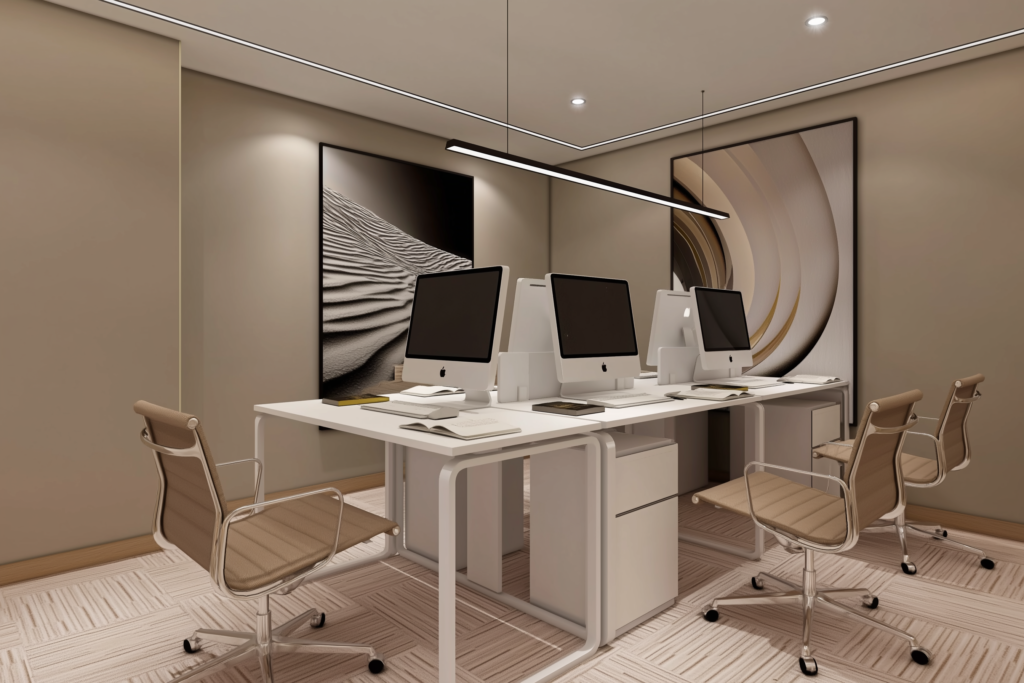
Lighting is often treated as a secondary element, but it plays a major role in how a workspace feels and functions. Relying solely on basic ceiling lighting can result in flat, uninspiring spaces that affect both mood and productivity. A well-designed office incorporates layered lighting:
- Ambient lighting for general illumination
- Task lighting for work areas
- Accent lighting to add depth and character
Thoughtful lighting design enhances both comfort and visual quality.
4. Choosing Materials Without Considering Durability
Material selection is not just about appearance — it directly affects maintenance and longevity. In high-traffic office environments, using materials that are not suited for commercial use can lead to faster wear and tear, frequent repairs, and higher long-term costs.
Durable, well-suited materials may require more consideration upfront, but they contribute to a more reliable and lasting workspace.
5. Lack of Coordination Between Contractors
Office renovation involves multiple parties — designers, contractors, electricians, and more. Without proper coordination, miscommunication can lead to delays, inconsistencies, and costly corrections during the construction phase. Working with a team that manages the project holistically helps ensure:
- Clear timelines
- Consistent execution
- Fewer unexpected issues
Coordination is often what determines whether a project runs smoothly.
6. Ignoring Future Business Growth
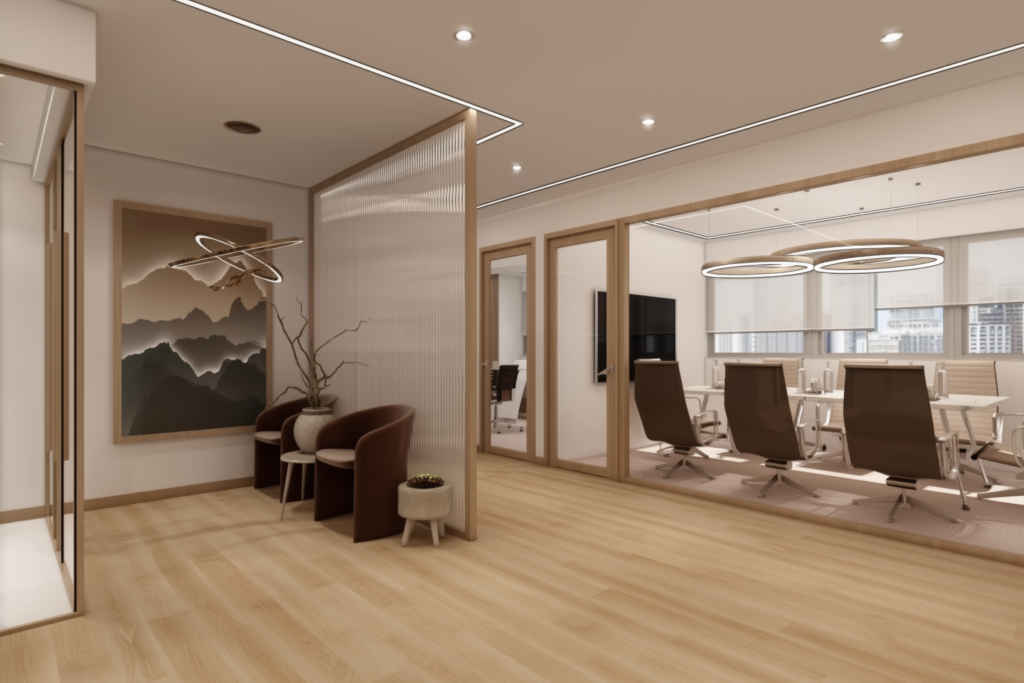
Designing purely for current needs is a short-term approach that can quickly become limiting. As teams expand or business operations evolve, offices that lack flexibility may require additional renovation sooner than expected.
Planning for scalability — whether through modular layouts, adaptable workstations, or flexible meeting areas — helps extend the lifespan of the space. You can also refer to our guide on commercial interior design in Singapore for more insights on creating a workspace that reflects your brand.
7. Rushing the Planning Process
In many cases, businesses underestimate the importance of proper planning and move too quickly into execution. A rushed renovation often leads to:
- Incomplete design considerations
- Overlooked details
- Last-minute changes during construction
Taking time to plan thoroughly at the beginning ensures a smoother process and a more refined final outcome.
Final Thoughts
Office renovation in Singapore is not just about upgrading your space — it’s about making strategic decisions that impact your business over time. By avoiding these common mistakes, businesses can create workspaces that are not only visually appealing, but also functional, durable, and aligned with long-term goals.
If you’re planning an office renovation and want to avoid common pitfalls, feel free to reach out for a discussion based on your workspace and requirements.
